
If you’ve ever wondered why some perfumes cost significantly more than others, fragrance concentration may be part of the answer. Enter: Extrait de parfum, one of the most concentrated fragrance formats available, often associated with richer compositions and longer wear. But here’s where it gets tricky: does a higher concentration always mean a stronger scent or better longevity? Not necessarily.
From understanding how extrait de parfum differs from eau de parfum and eau de toilette to learning how much perfume to apply, here’s what you need to know if you’re considering adding one to your fragrance collection.
What is extrait de parfum?
Extrait de parfum, sometimes called perfume extract or parfum, is a fragrance format made with a relatively high proportion of aromatic compounds. While concentrations vary by brand and formula, extrait de parfum often contains around 20% to 40% perfume oil, with some formulas falling outside that range.
The remaining composition typically includes alcohol, water, and other ingredients, depending on the formula. Its higher concentration can contribute to a richer olfactory experience, but it doesn’t automatically make an extrait stronger-smelling or longer-lasting than every eau de parfum. As we’ve touched on in our article “How to Apply Perfume So Your Scent Lasts All Day,” ingredients, formulation, and how the fragrance interacts with your skin all play a role in its performance.
Extrait de parfum vs. eau de parfum vs. eau de toilette
Extrait de parfum: Often the most concentrated of the three, extrait de parfum typically contains a higher proportion of aromatic compounds. It can offer a rich, nuanced fragrance experience, sometimes with a scent that stays close to the skin rather than projecting loudly. Because formulas vary, it isn’t always the strongest option in terms of projection or longevity.
Eau de parfum: Eau de parfum (EDP) generally has a moderate-to-high fragrance concentration, often around 15% to 20%. It’s a popular middle ground for everyday wear, offering a noticeable scent without necessarily feeling as rich or dense as an extrait. Depending on the composition, an EDP can last for hours and may project more than a higher-concentration fragrance.
Eau de toilette: Eau de toilette (EDT) typically has a lighter concentration, often around 5% to 15%. It can feel fresher and more transparent, making it a good choice for daytime wear or warmer weather. Some EDTs have excellent longevity, too, so a lighter concentration doesn’t automatically mean you’ll need to reapply constantly.
Ultimately, these labels are useful guidelines rather than guarantees. A fragrance’s performance depends on its entire formula, not just its concentration.
How long does extrait de parfum last?
Extrait de parfum can last anywhere from several hours to most of the day, with some formulas lingering even longer. However, there’s no universal wear time: citrus-heavy compositions may fade faster, while fragrances built around woods, amber, musk, and other tenacious materials may remain noticeable for longer.
It’s also worth distinguishing longevity from projection. Longevity refers to how long you can smell a fragrance on your skin, while projection describes how far its scent travels. An extrait might last a long time while remaining relatively close to your body. That can be part of its appeal if you prefer a more personal fragrance rather than one that announces your arrival from across the room.
How to wear extrait de parfum (hint: use less)
With a concentrated fragrance, start with one or two sprays and see how it develops before applying more. You can always add another spray, but it’s harder to dial back a fragrance that’s already filling the room.
- Apply to moisturized skin. Fragrance can evaporate differently depending on your skin’s condition. Applying it after an unscented moisturizer may help it wear more evenly.
- Choose your application points carefully. The neck and wrists are common choices, but you don’t need to spray every pulse point. Start small and adjust based on how the fragrance performs.
- Give it time to develop. Don’t judge an extrait by its first few minutes. Let the top notes fade and see how the heart and base notes unfold over the following hours.
- Avoid rubbing your wrists together. Let the fragrance dry naturally so you can experience its development as intended.
- Consider your surroundings. A fragrance that feels subtle outdoors may seem much more intense in a small office or crowded train. Think about the setting before adding extra sprays.
The goal isn’t to use as little as possible simply because the concentration is high. It’s to find the amount that lets you enjoy the fragrance without overwhelming yourself or the people around you.
3 extrait de parfum picks to try
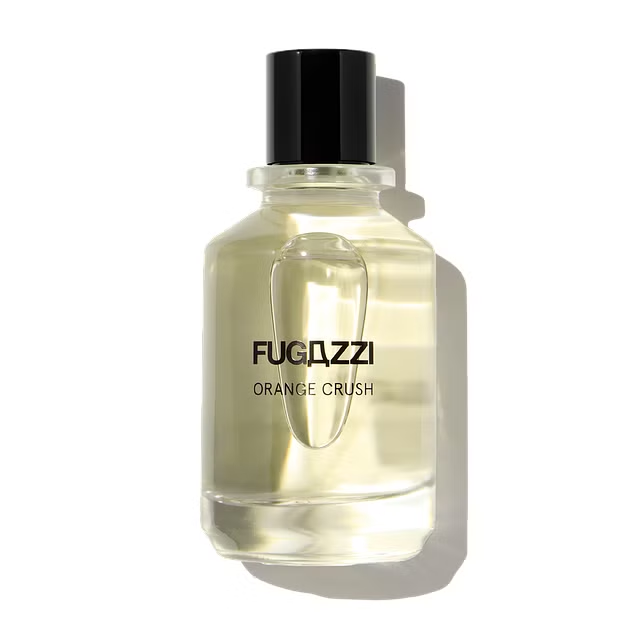
FUGAZZI Orange Crush XDP
If you love citrus but want something with more depth than a straightforward fresh fragrance, FUGAZZI Orange Crush XDP is worth exploring. Bright orange brings an energetic opening, while pepperwood and Akigalawood introduce a spicy, woody dimension. Musk softens the composition, adding a smooth finish that balances the freshness with warmth. At a 30% concentration, it’s a more intense take on the original Orange Crush eau de parfum.
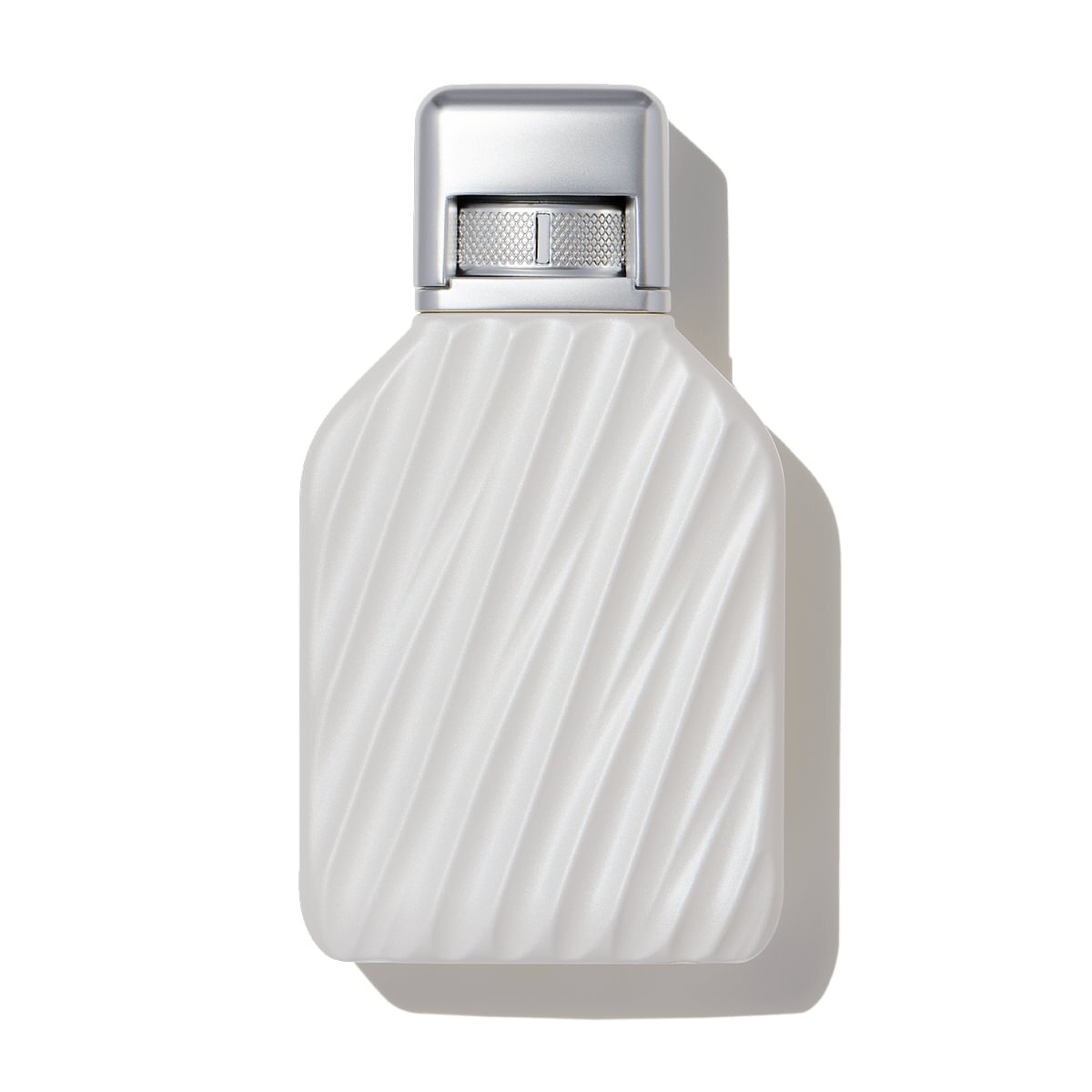
TUMI Nova Extrait de Parfum
TUMI Nova takes a warmer, more aromatic approach, combining saffron and thyme with rose, leather, and Virginia cedar. The result is an amber-woody composition that balances herbal freshness with a deeper, polished character. If you gravitate toward fragrances that feel confident and refined without relying on overt sweetness, Nova offers an interesting alternative to the usual fresh or citrus-forward scents.
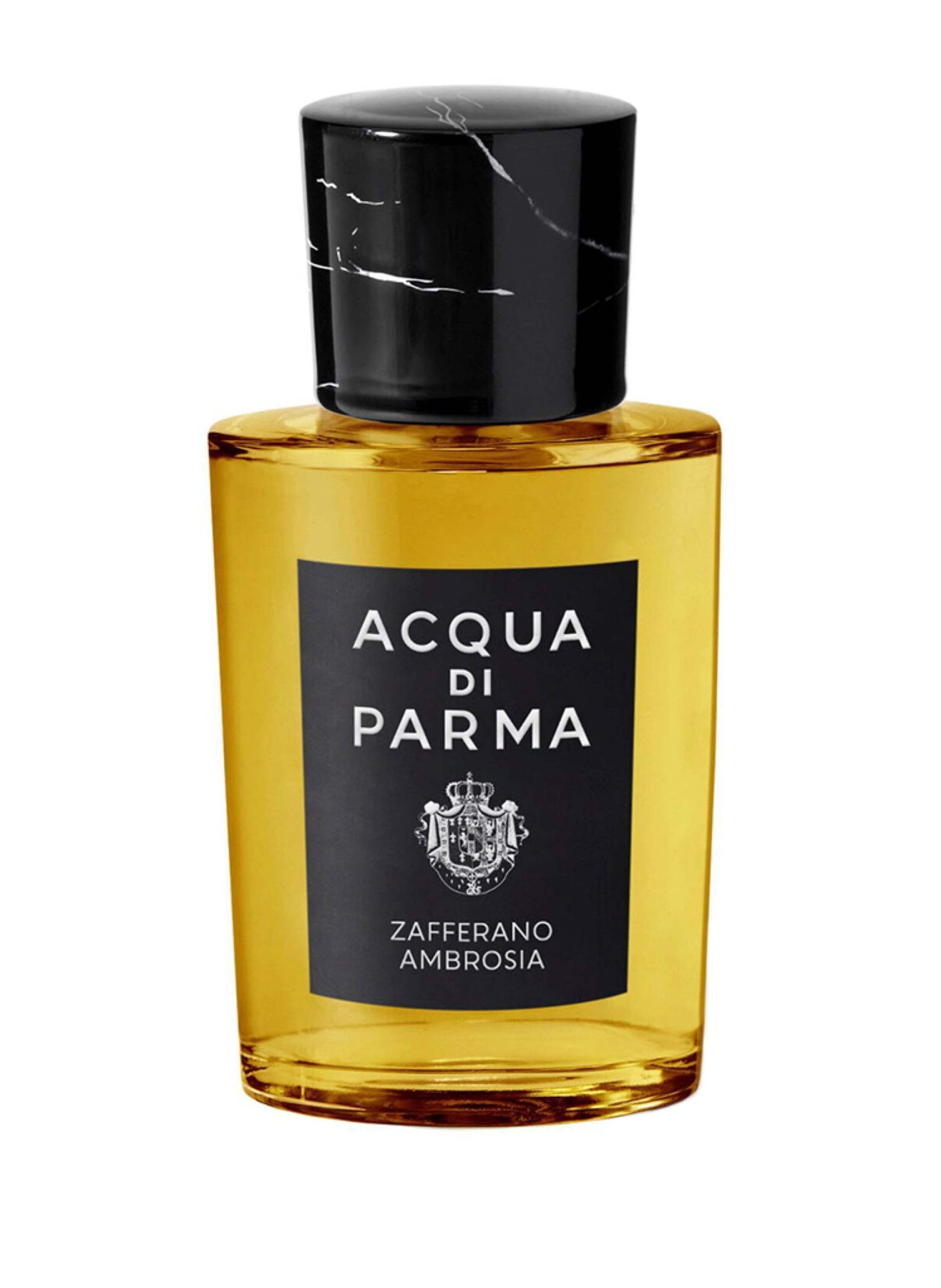
ACQUA DI PARMA Zafferano Ambrosia
For a more opulent take on extrait de parfum, ACQUA DI PARMA Zafferano Ambrosia is built around a 30% perfume oil concentration. Red mandarin, bergamot, and ginger create a luminous opening, followed by saffron, orange blossom, and jasmine sambac. Vanilla, patchouli, and amber accords give the dry-down a warm, rich finish. It’s a fragrance that brings together bright citrus and deep, spicy warmth, making it an intriguing choice for anyone who enjoys a more layered composition.
Try extrait de parfum before you commit
The best way to decide whether an extrait de parfum is right for you is to wear one for yourself. Test it on your skin, give it time to develop, and pay attention to how it smells after a few hours, not just immediately after spraying. If you’re not ready to invest in a full-size bottle, sampling is a practical way to explore different fragrance styles and concentrations. With Scentbird, you can try an 8 ml vial of a fragrance and live with it for a while before deciding whether it’s something you want to wear regularly. After all, the best fragrance isn’t necessarily the most concentrated one. It’s the one you keep wanting to reach for.
Frequently asked questions
What is extrait de parfum?
Extrait de parfum, also called perfume extract or parfum, is a fragrance format with a relatively high concentration of aromatic compounds, often in the 20% to 40% range. It typically offers a richer, more nuanced scent than an eau de parfum or eau de toilette, though exact performance depends on the formula.
Is extrait de parfum stronger than eau de parfum?
Not necessarily. Extrait de parfum usually has a higher concentration of aromatic compounds, but strength and longevity depend on the full formula and the ingredients used, not concentration alone. Some eau de parfums project more than some extraits.
How long does extrait de parfum last?
It can last anywhere from several hours to most of the day, depending on the notes used. Citrus-forward compositions tend to fade faster, while woods, amber, and musk tend to stay noticeable longer.
How much extrait de parfum should I apply?
Start with one or two sprays and let it develop before adding more. Because extraits are concentrated, it’s easier to add a bit more later than to tone down a fragrance you’ve already overapplied.
What’s the difference between longevity and projection?
Longevity is how long you can still smell a fragrance on your own skin, while projection is how far its scent travels to people around you. An extrait can have strong longevity while staying close to the body, which is part of its appeal for people who prefer a more personal scent.
Can I try extrait de parfum before buying a full bottle?
Yes. Scentbird lets you try an 8 mL vial of a fragrance for about a month, so you can see how it develops and performs on your skin before committing to a full-size bottle.
Featured Image: Fugazzi


