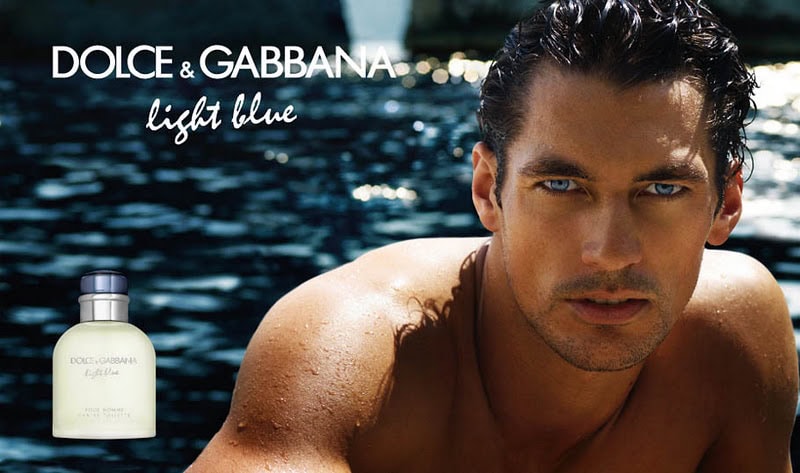
He loves me, he loves me not. Since the beginning of time, we’ve been preoccupied with attracting the object of our affection. It’s partly why ‘sexiest men’s colognes’ and ‘most attractive women’s perfumes’ dominate top search results, with more and more articles about these topics flooding the internet. This is also why pheromone perfumes are one of the most buzzed-about topics on social media.
When we asked perfumer, educator, and Bois de Jasmin founder Victoria Belim-Frolova what makes a perfume addictive, she pushed back on the idea that seduction should be the goal at all. “I often see messaging focused on whether a perfume is attractive or seductive,” she told us. “This is valid; it’s fine to ask these questions. But it’s not the only reason we wear perfume. We wear it for ourselves, for pleasure, and this is what makes us attractive to others.”
Despite her insight, ‘pheromone perfume’ remains one of the most searched fragrance terms of the last few years–proof that the algorithm hasn’t quite caught up with Belim-Frolova’s point. Social media is still full of claims that a single spray can make strangers turn their heads across a room, promising the kind of external validation she’s arguing against. Before recommending anything, it’s worth being honest about what the science actually says, and then talking about why certain fragrances genuinely do get noticed, whether they contain pheromones or not.
What are pheromones, anyway?
Imagine that you’re in a cafe with a group of girlfriends. You start telling them about the amazing date you had the night before, how you were instantly attracted to him and also the smell of his skin. One of your friends perks up, declaring, with a sudden firmness in her voice: “It’s his pheromones!”
Dramatics aside, pheromones are chemical signals that mammals use to trigger involuntary responses in other members of the same species. One of the ways we secrete them is through bodily fluids such as sweat. And, according to many studies and reports such as this one by Harvard, they are produced to attract the opposite sex, leading it to be known as “love chemicals.”
Sure, pheromones are real, but ‘pheromone perfumes’ are mostly in the marketing. Commercial pheromone perfumes, for what it’s worth, generally aren’t using human-derived compounds at all. Many contain synthetic musks that smell similar to skin without containing anything close to a proven human signal. The honest verdict: there’s no solid evidence that a bottled “pheromone perfume” makes anyone more attractive through biology alone.
Why ‘pheromone perfume’ still works in practice
None of that means these fragrances are pointless; it just means the mechanism isn’t what the marketing claims. Scent is deeply tied to perception and memory, and a fragrance that makes you feel more attractive tends to change how you carry yourself, which, as mentioned in the introduction and over here, people genuinely do notice. There’s also an olfactory pattern behind why certain notes read as “attractive” regardless of any pheromone claim: warm musks, amber, and vanilla mimic the warmth of skin itself, which is part of why skin-scent fragrances are considered more approachable and intimate than sharper, colder ones. All a fragrance has to do then is to smell like something people want to lean in closer to.
Our top picks: scents we find addictive
Skin-close musks, warm ambers, and soft woods make up most of the “addictive” category. Here are four that get it right.
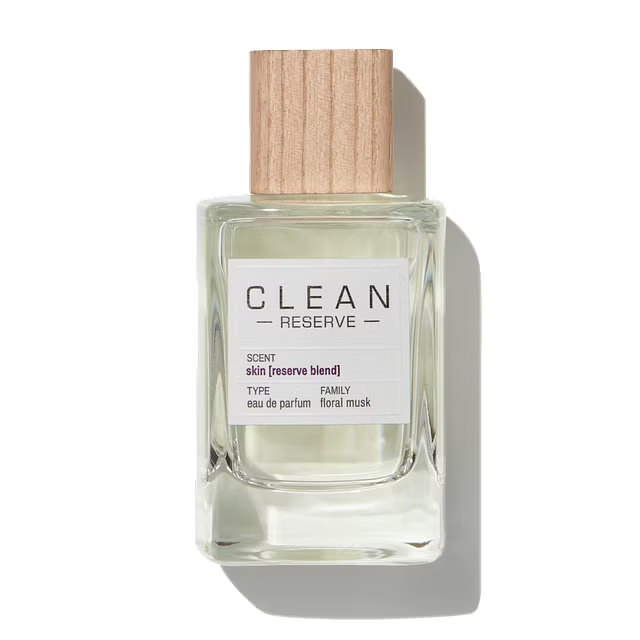
CLEAN RESERVE Skin
Built around the feeling of a warm embrace, Skin blends floral, woody, and musk notes into something genuinely addictive: creamy Madagascar vanilla softens into skin musk, giving it that just-got-out-of-a-warm-bed quality that makes people want to get closer.
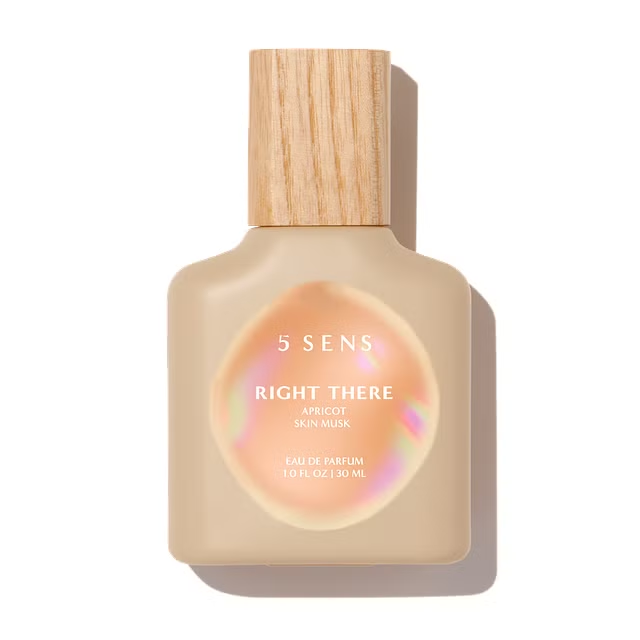
5 SENS Right There
Sun-kissed apricot and peony open things up, brightened by freesia, before amber woods and skin musk settle in with real warmth. It’s intimate and a little magnetic, exactly where you’d want a scent like this to land.
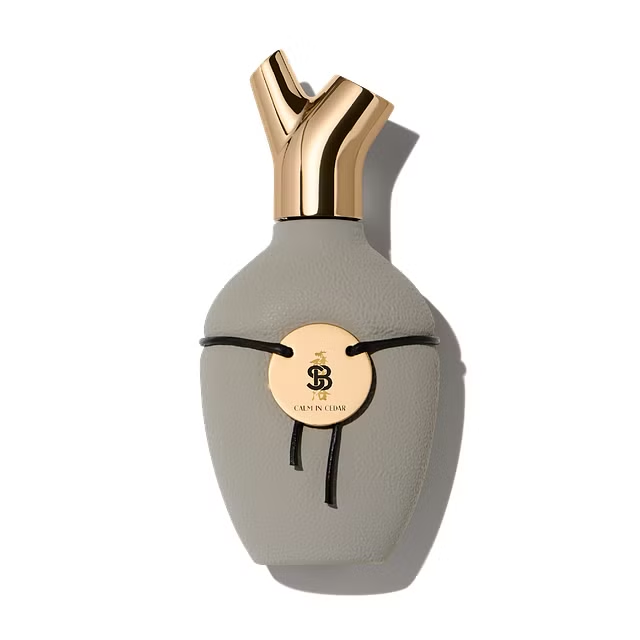
SCENTS OF WOOD x SCENTBIRD Calm in Cedar
A collaboration built around comfort rather than seduction: cedarwood, ambertonic, and tonka bean come together into something warm and cocooning, more lakeside cabin than nightclub. Proof that “addictive” doesn’t have to mean loud.
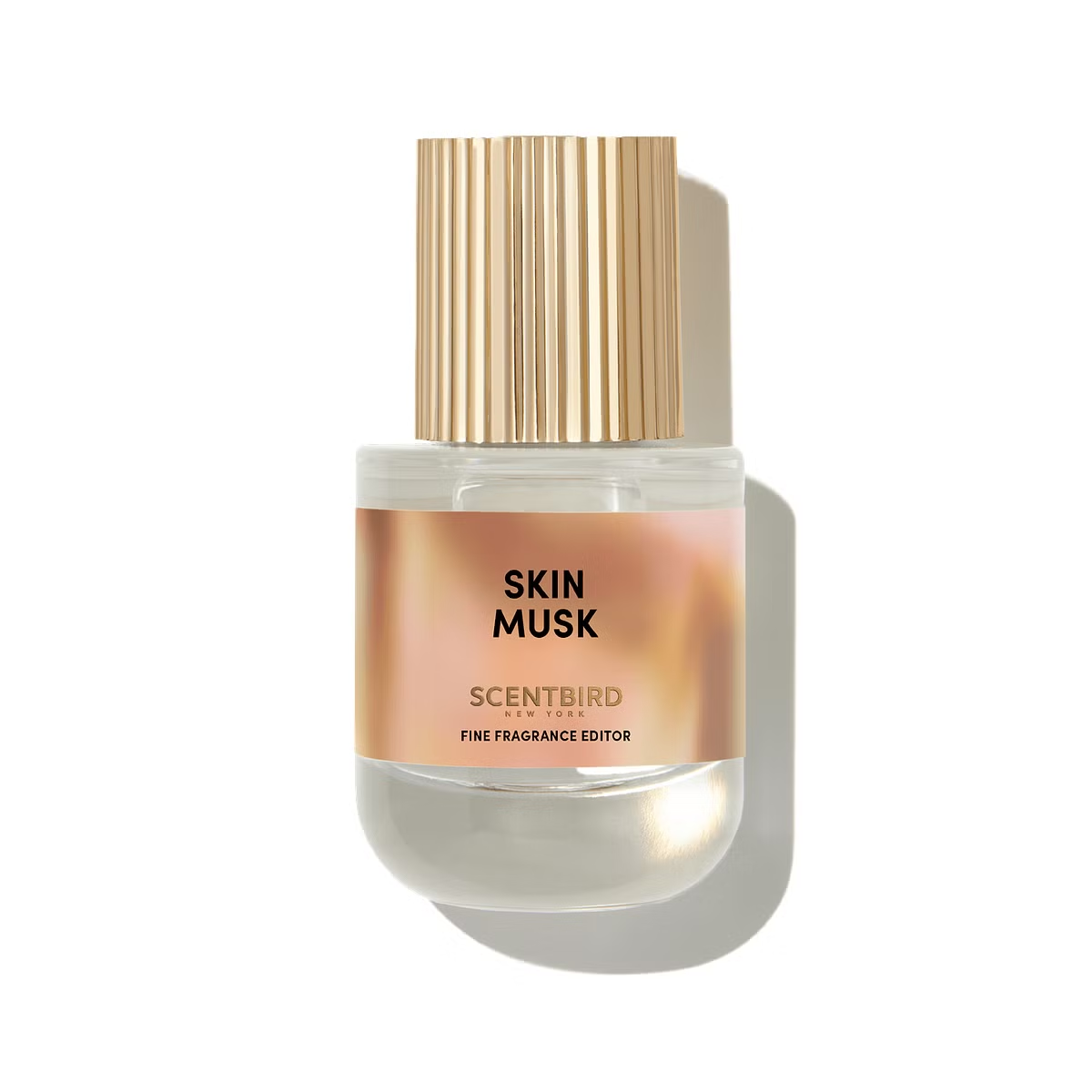
SCENTBIRD Skin Musk Fine Fragrance Editor
This fragrance’s notes include ambrette musk, cashmeran, and rice milk, wrapping you in second-skin softness. It is soft, warm, “barely there” in the best way possible.
Find your own addictive scent wardrobe without buying blind
The honest truth about this category is that what we find attractive is subjective; what reads as magnetic on one person can read as overwhelming on another. It is our skin chemistry that changes how musk and amber develop more than almost any other note family. If you’re unsure where to begin, a Scentbird subscription solves that: an 8 ml vial lets you actually test how a musk-heavy scent wears on your own skin before committing to a bottle.
And if you’re not sure where to start, one of Scentbird’s fragrance quizzes can point you toward musk, amber, and vanilla-forward picks based on what you already like, and our monthly perfume roundups go deeper on picks by scent family while featuring new arrivals.
The verdict
To summarize, there’s no reliable science behind the idea that a bottled pheromone will make you irresistible. The compounds most often marketed this way haven’t held up to rigorous testing, and most “pheromone perfumes” aren’t using anything biologically proven in the first place. What does hold up is simpler: warm, skin-close musks and ambers genuinely read as more approachable, and a fragrance that makes you feel good tends to show. At the end of the day, buy for how it wears on you, not for the claim on the label.
Frequently asked questions
Do pheromone perfumes actually work?
There is no solid evidence that a bottled pheromone perfume makes you more attractive through biology alone. Most contain synthetic musks that smell like skin rather than any proven human signal. What does work is simpler: warm, skin-close scents read as approachable, and feeling good in a fragrance changes how you carry yourself.
What are pheromones?
Pheromones are chemical signals that mammals use to trigger involuntary responses in others of the same species, secreted partly through sweat. They are real in biology, but commercial pheromone perfumes generally do not use proven human-derived compounds, so the effect is mostly marketing.
What makes a perfume smell attractive?
Warm musks, amber, and vanilla mimic the natural warmth of skin, which is why skin-scent fragrances read as approachable and intimate rather than sharp or cold. A scent that invites people to lean in closer tends to be perceived as attractive, regardless of any pheromone claim.
Which fragrance notes are best for a skin-close, addictive scent?
Look for skin musks, warm ambers, soft woods, and vanilla. Because skin chemistry changes how musk and amber develop more than almost any other note family, it is worth testing a musk-heavy scent on your own skin before buying a full bottle.