
Green fragrances for women capture the feeling of living plants: a snapped stem, cool leaves, aromatic herbs, green tea, or moss after rain. They can smell crisp and energizing, soft and dewy, or earthy and grounded. If you want a fresh signature scent that feels natural without automatically smelling citrusy or aquatic, learning the green fragrance family is a useful place to start. Explore Scentbird’s Floral Fruity Green fragrance family
What are green fragrances for women?
Green fragrances for women are scents built around the aroma of leaves, stems, herbs, grasses, tea, moss, and other fresh botanical impressions. “Green” describes an effect more than one ingredient: a perfume can be floral, woody, citrusy, or aquatic while a green accord gives it a crisp, leafy, or earthy edge.
The best way to picture a green scent is to think beyond a single flower. Imagine rubbing a basil leaf between your fingers, walking past wet ferns, opening a tin of green tea, or breaking a tomato stem in a garden. Perfumers can recreate those impressions with natural materials, aroma molecules, or blends that suggest greenery without literally smelling like a garden.
Green fragrances are often refreshing, but freshness is only the beginning. A leafy green may feel watery and transparent, while a mossy green can feel shaded and textured. Herbal greens may be cool and aromatic, and tea greens may be smooth, airy, or slightly dry. The base matters too: woods, musk, amber, or soft florals can make a green composition feel warmer and more rounded.
How do green, citrus, and aquatic fragrances differ?
Green, citrus, and aquatic fragrances can all feel fresh, but they create freshness in different ways. Citrus smells bright and zesty, aquatic notes suggest cool water or clean air, and green notes evoke plants, leaves, herbs, stems, and moss. A fragrance may combine families, yet one impression usually leads the experience.
| Fragrance direction | Typical impression | Notes and accords to look for | Best fit if you want |
|---|---|---|---|
| Green | Leafy, crisp, herbal, dewy, or earthy | Fig leaf, violet leaf, galbanum, basil, mint, tea, moss, vetiver | A scent that feels botanical, natural, and textured |
| Citrus | Juicy, sparkling, tart, and sunlit | Bergamot, lemon, lime, grapefruit, orange, mandarin | A bright opening with a zesty lift |
| Aquatic | Watery, breezy, cool, and clean | Marine accords, watery florals, sea spray, mineral notes | The feeling of fresh air, rain, or open water |
Look at the whole note list rather than treating one ingredient as a guarantee. Green mandarin, for example, can lead a citrus fragrance toward a greener, less juicy profile. A watery floral may feel green when paired with leafy notes, while moss and vetiver can give a green scent a dry, earthy finish. The blend and its balance determine how it wears.
Which green fragrance profiles should women explore?
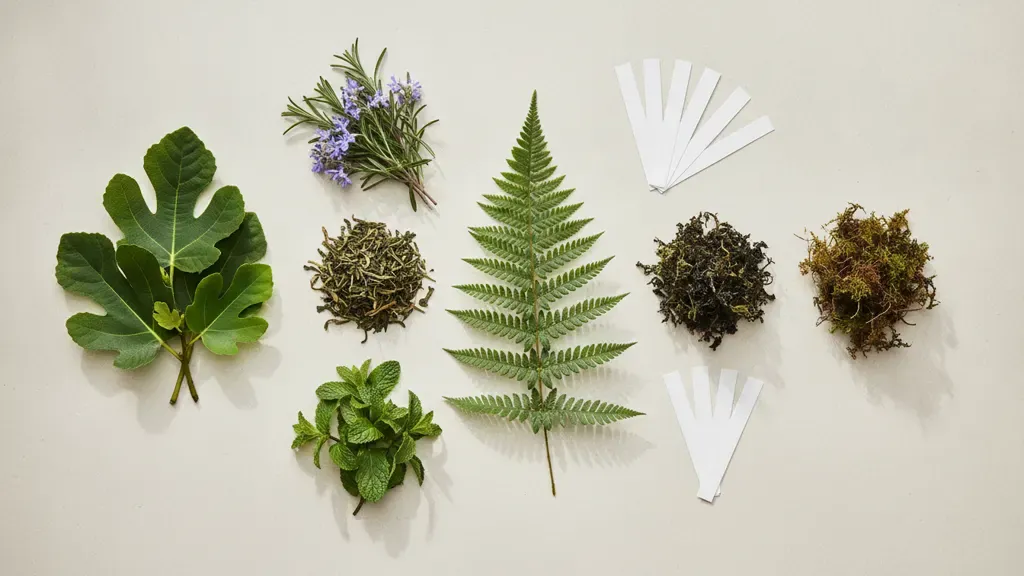
Green fragrances are easier to choose when you think in profiles instead of isolated notes. Leafy, herbal, tea, mossy, and fresh botanical accords can all read as green, but each creates a different mood on skin. Start with the profile that matches the atmosphere you want, then use the note list to refine your search.
Leafy and stemmy greens
Leafy greens feel crisp, dewy, and immediate. Fig leaf, violet leaf, tomato leaf, petitgrain, and galbanum can suggest freshly crushed foliage or a cool stem. Some are smooth and slightly creamy, while others have a sharp, almost peppery snap. This profile works well when you want a clean scent with personality rather than a simple soapy finish. Scentbird’s dewy green accord library is a useful place to see how that impression appears in fragrance descriptions.
Leafy fragrances can also soften floral compositions. Instead of making jasmine or rose feel overtly sweet, a green leaf accord can give the bouquet air and movement. Look for language such as dewy, verdant, crisp, sap-like, stemmy, or freshly cut when reading a fragrance description.
Herbal and aromatic greens
Herbal greens are defined by aromatic plants such as basil, mint, rosemary, sage, lavender, and thyme. They can smell cooling and energetic, especially when paired with citrus, or dry and savory when supported by woods. Herbal does not always mean medicinal: a soft musk or floral heart can make the effect polished and wearable.
Choose an herbal green if you want a fragrance that feels focused and invigorating. Mint and basil usually create a clearer, brighter impression, while sage, rosemary, and lavender can feel more aromatic and calming. If you prefer a softer result, look for herbs blended with musk, iris, delicate florals, or light woods.
Green tea and airy tea accords
Tea greens often feel calm, translucent, and gently dry. Green tea can add a clean, slightly bitter quality, while matcha may smell creamier, earthier, or more vegetal. Tea accords are often paired with citrus, jasmine, soft woods, or musk, which makes them useful for anyone who wants a green scent without an overtly grassy effect. If you prefer to explore tea as its own theme, Scentbird’s matcha and green-tea guide goes deeper into that narrower profile.
Read tea descriptions carefully because the same word can signal different experiences. Iced tea may suggest a bright, watery freshness. Matcha can feel smooth and powdery. Black tea may bring more depth and tannic dryness. For an easy everyday profile, look for green tea balanced by a transparent floral or soft musk.
Mossy and earthy greens
Mossy greens bring shadow, texture, and depth. Oakmoss, tree moss, vetiver, patchouli, and damp-earth effects can make a fragrance feel like a shaded forest floor rather than a sunny lawn. These notes are useful when you love fresh scents but want something with more staying power and a grounded drydown.
Mossy does not have to mean heavy. A sheer citrus opening or airy floral heart can keep moss feeling light, while woods and musk can make it warmer and more enveloping. If you dislike sweet perfumes, a dry mossy green may provide the quiet sophistication you want without turning gourmand or sugary.
Fresh botanical greens
Fresh botanical greens combine several plant-like effects into a bright, natural-feeling profile. They may suggest fern, crushed stems, rain-kissed leaves, garden air, or a cool greenhouse. These scents are often versatile because they can blend leafy, herbal, tea, floral, and watery facets without becoming dominated by one note.
Botanical greens are a good starting point if you are new to the family and do not yet know whether you prefer sharp herbs or earthy moss. Look for descriptions that mention fresh foliage, garden, dewy petals, green stems, fern, or natural freshness. A balanced botanical composition should feel alive and dimensional, not like a single loud accord.
Are green fragrances fresh, earthy, or both?
Green fragrances can be fresh, earthy, or both because the green effect changes as the perfume develops. Leafy and herbal notes tend to create lift at the start, while moss, vetiver, woods, and patchouli can make the drydown feel darker and more grounded. This contrast is part of what makes green scents feel dimensional.
For a fresher experience, prioritize words such as dewy, crisp, airy, bright, cool, watery, and leafy. For an earthier experience, look for mossy, rooty, woody, mineral, damp, dry, or forest-like. If you want balance, choose a composition that pairs an airy top with a textured base, such as tea with woods or leafy notes with soft moss.
Skin chemistry can change the balance. A sharp herbal note may become softer after a few minutes, while a mossy base may become more noticeable later. Smell a fragrance on a blotter first, then test it on skin and check it at the opening, heart, and drydown. A first spray only shows one moment of the scent.
How can you choose a green signature scent?
Choosing a green signature scent starts with identifying the kind of freshness you enjoy. Decide whether you want the snap of a leaf, the coolness of an herb, the calm of tea, the shade of moss, or a blend of botanical facets. Then test the fragrance on skin across several hours before committing to a full-size bottle.
- Start with a mood. Choose words such as energizing, serene, polished, earthy, airy, or quietly bold.
- Pick a green direction. Leafy and herbal profiles feel more immediate, while tea and moss often feel smoother and more nuanced.
- Check the supporting notes. Citrus can add sparkle, florals can add softness, woods can add depth, and musk can make the finish feel close to skin.
- Test more than the opening. Give the scent time to move from top notes through its heart and base.
- Match the scent to your routine. Crisp leafy greens may suit daytime, while mossy or woody greens can transition more easily into evening.
- Use samples to compare. Trying several profiles side by side makes it easier to separate a citrus-forward fresh scent from a true botanical green.
Discovery is especially helpful when you are still learning your fragrance vocabulary. Scentbird’s fragrance quiz can turn preferences such as “clean but not aquatic” or “earthy but not heavy” into a starting point. You can also browse the full fragrance-family directory and save the note combinations that repeatedly appeal to you.
What should you look for when reading green fragrance notes?
Fragrance descriptions often use sensory language rather than a strict technical classification. Read for clusters of words. Several plant-like terms together usually tell you more than one isolated note, and the base notes reveal whether the final effect will stay crisp, become creamy, or turn earthy.
- Leafy vocabulary: green leaf, fig leaf, violet leaf, stem, sap, vine, dewy, and crushed foliage.
- Herbal vocabulary: basil, mint, sage, rosemary, thyme, lavender, aromatic, and cooling.
- Tea vocabulary: green tea, matcha, iced tea, dry tea, infusion, airy, and gently bitter.
- Mossy vocabulary: oakmoss, moss, vetiver, forest floor, damp earth, rooty, mineral, and shaded.
- Fresh botanical vocabulary: fern, garden, rain, greenhouse, fresh stems, natural, verdant, and spring air.
Keep an eye on modifiers. A “green floral” may be petal-forward with a leafy lift, while a “green woody” may dry down with cedar, vetiver, or moss. A “green citrus” can be brighter and more sparkling. The goal is not to find one perfect label. It is to understand the path the fragrance is likely to take and choose the path you want to wear. Scentbird’s women’s fragrance collection can help you apply that vocabulary while browsing, without treating a ranking as a substitute for testing.
Green fragrance FAQs
These quick answers address the most common questions about the green fragrance family, including how green scents smell, which notes create the effect, and how green fragrances compare with other fresh perfume directions.
What do green fragrances smell like?
Green fragrances smell like leaves, stems, herbs, tea, grasses, ferns, or moss. They can be crisp and dewy, aromatic and cooling, softly dry, or earthy and shaded. The exact effect depends on the notes supporting the green accord, such as citrus, florals, woods, musk, or vetiver.
Are green fragrances the same as fresh fragrances?
No. Green is one way to create freshness, but fresh fragrances can also be citrusy, aquatic, fruity, or lightly floral. Green scents usually suggest living plants or botanical texture, while a citrus scent feels zesty and an aquatic scent feels watery or airy.
What notes make a perfume smell green?
Common green notes include fig leaf, violet leaf, galbanum, basil, mint, sage, green tea, fern, oakmoss, vetiver, and petitgrain. Perfumers may also build a green effect by combining leafy, herbal, floral, citrus, and woody materials rather than relying on one ingredient.
Are green fragrances good for everyday wear?
Yes. Leafy, tea, and fresh botanical greens can feel easy and versatile for everyday wear, especially when balanced with soft florals or musk. Mossy and woody greens may feel more distinctive but can still work daily if their depth matches your preferred intensity.
How can I tell whether I prefer a leafy or mossy green scent?
Choose leafy greens if you want a crisp, bright, freshly cut impression. Choose mossy greens if you prefer a shaded, earthy, textured finish. When testing, compare the opening and drydown: leafy notes often lead with lift, while moss and vetiver become more noticeable as the fragrance settles.
Once you know whether you prefer leaves, herbs, tea, moss, or a blend of botanical notes, finding a green signature scent becomes much less mysterious. Browse Scentbird’s fragrance families to keep exploring and compare the profiles that feel most like you.


